

How Screen Time Affects Your Sleep Quality


1. Why Your Sleep Feels Off (Even When You’re Tired)
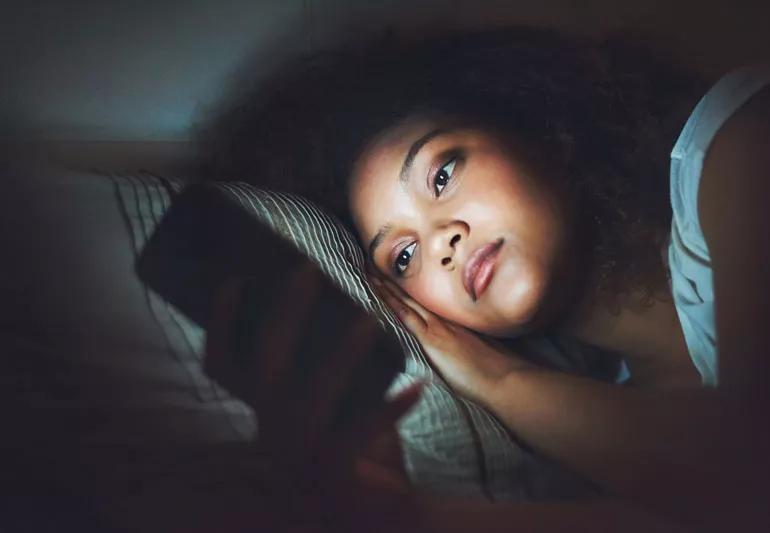
You go to bed feeling exhausted. You’ve had a long day, your body is tired, and you expect to fall asleep quickly.
But instead:
You keep scrolling
You don’t feel sleepy
Your mind feels active
Sleep takes longer than it should
And even when you do sleep, you wake up feeling… not fully rested.
This is more common than people think—and a big reason behind it is screen time.
Your Brain Doesn’t Know It’s Time to Sleep
Your body has a natural rhythm. It knows when to slow down, when to rest, and when to wake up.
But screens confuse that rhythm.
When you use your phone late at night:
Your brain stays alert
Your mind keeps processing information
Your body doesn’t fully switch into “rest mode”
So even if you feel physically tired, your brain isn’t ready to sleep.
Blue Light Tricks Your Brain
One of the biggest reasons screens affect sleep is blue light.
Phones, tablets, and laptops emit this type of light, which:
Signals your brain to stay awake
Reduces natural sleep signals
Delays your ability to fall asleep
It’s like telling your brain, “It’s still daytime,” even when it’s night.
Scrolling Keeps Your Mind Active
Even if you’re lying in bed, your brain isn’t resting when you’re on your phone.
Think about what happens when you scroll:
You see new content every few seconds
Your emotions keep shifting
Your attention keeps jumping
This keeps your mind stimulated.
So when you finally put your phone down, your brain doesn’t instantly calm—it takes time.
Why “Just 5 More Minutes” Turns Into an Hour
You probably know this feeling.
You plan to use your phone for a few minutes before sleep… and suddenly it’s been much longer.
That happens because:
Content is endless
There’s no natural stopping point
Your brain is already engaged
And the longer you stay on your phone, the harder it becomes to sleep.
Signs Your Screen Time Is Affecting Your Sleep
You might notice:
Difficulty falling asleep
Waking up feeling tired
Restless or light sleep
Checking your phone during the night
Feeling mentally active at bedtime
These are signals—not random issues.
Your brain is still in “active mode.”
2. What Actually Happens in Your Brain When You Use Screens at Night
Understanding what’s happening inside your brain makes everything clearer.
Because this isn’t just about habit—it’s about how your body responds.
Your Sleep Hormone Gets Disrupted
Your body produces a natural hormone that helps you fall asleep.
But when you use screens at night:
This hormone gets delayed
Your body doesn’t feel sleepy on time
Your sleep cycle shifts
So even if you go to bed early, you may not feel sleepy.
Your Mind Stays in “Alert Mode”
Normally, your brain should slow down before sleep.
But screens do the opposite.
They:
Keep your attention active
Stimulate your thoughts
Prevent mental relaxation
So instead of winding down, your brain stays switched on.
Your Sleep Becomes Lighter
Even if you fall asleep after using your phone, the quality of your sleep can be affected.
You may:
Wake up more during the night
Feel less refreshed
Have lighter sleep cycles
So it’s not just about falling asleep—it’s about how well you sleep.
Your Brain Gets Used to Night Stimulation
Over time, your brain starts associating nighttime with activity instead of rest.
So when you lie down:
You don’t feel relaxed immediately
You expect stimulation
Your mind stays active
This makes it harder to build a natural sleep routine.
A Simple Breakdown of Screen Effects on Sleep
| Screen Habit | What Happens | Impact on Sleep |
|---|---|---|
| Using phone before bed | Brain stays active | Delayed sleep |
| Exposure to blue light | Sleep signals reduced | Harder to fall asleep |
| Scrolling content | Mental stimulation | Restless mind |
| Late-night usage | Sleep cycle shifts | Poor sleep quality |
| Checking phone at night | Interrupted rest | Less recovery |
3. Why Reducing Screen Time Improves Sleep Faster Than You Expect
The good news is—your sleep can improve quickly once you reduce screen exposure.
You don’t need weeks. Even small changes can make a difference within days.
Your Brain Starts Slowing Down Naturally
When you reduce screen use at night:
Your mind gets fewer inputs
Your thoughts become calmer
Your brain prepares for rest
This makes falling asleep easier.
Your Body Returns to Its Natural Rhythm
Without constant stimulation:
Your sleep signals return to normal
You feel sleepy at the right time
Your sleep cycle stabilizes
You don’t need to force sleep—it happens naturally.
You Fall Asleep Faster
When your mind isn’t overstimulated:
You don’t stay awake overthinking
You don’t feel the need to check your phone
You drift into sleep more easily
This is one of the first changes people notice.
Your Sleep Feels Deeper
Even if you don’t sleep longer, your sleep quality improves.
You may:
Wake up less during the night
Feel more refreshed in the morning
Have more stable energy during the day
Your Nights Feel More Peaceful
Without screens:
Your evenings slow down
Your mind feels lighter
Your body relaxes
And that creates a better transition into sleep.
Keep It Simple
You don’t need to completely avoid screens forever.
You just need to:
Reduce usage before bed
Give your mind time to slow down
Let your body follow its natural rhythm
That’s enough to start improving your sleep.
👉 Say “next” and I’ll continue with practical night routines, long-term habits, and how to fix your sleep cycle (sections 4–8).
4. A Simple Night Routine That Improves Sleep (Without Feeling Forced)
You don’t need a strict or complicated routine to fix your sleep. In fact, the simpler it is, the more likely you’ll actually follow it.
The goal isn’t perfection—it’s giving your mind a smooth transition from “active” to “rest mode.”
Step 1: Create a Screen Cut-Off Time
Pick a realistic time when you stop using your phone.
It doesn’t have to be extreme.
Start with:
30 minutes before sleep
Then gradually increase if you want
This gives your brain time to slow down.
Step 2: Replace Screen Time With Something Calm
You can’t just remove your phone and expect your mind to instantly relax.
You need a replacement.
Try:
Reading something light
Listening to soft music
Sitting quietly with your thoughts
Writing a few lines about your day
These activities don’t stimulate your brain—they settle it.
Step 3: Dim Your Environment
Bright lights keep your brain alert.
As bedtime approaches:
Reduce lighting
Keep your surroundings calm
Avoid harsh brightness
This signals your body that it’s time to slow down.
Step 4: Let Your Mind Unwind Naturally
You don’t need to “force sleep.”
Instead:
Lie down without pressure
Let your thoughts settle
Focus on your breathing
Sleep comes more easily when you stop trying too hard.
A Simple Night Routine Table
| Time Before Bed | What to Do | Why It Helps |
|---|---|---|
| 60 minutes | Reduce screen use | Start calming your brain |
| 30 minutes | Stop phone usage | Lower stimulation |
| 20 minutes | Do something quiet | Relax your mind |
| 10 minutes | Dim lights, slow down | Prepare for sleep |
| Bedtime | Breathe and rest | Fall asleep naturally |
Keep it flexible. You don’t need to follow every step perfectly.
5. Small Changes That Make a Big Difference in Sleep Quality
Sometimes, it’s not about big changes—it’s about small adjustments that add up.
Keep Your Phone Away From Your Bed
If your phone is next to you:
You’re more likely to check it
You’ll get tempted to scroll
You may wake up and use it at night
Try:
Keeping it on a table away from reach
Not holding it while lying down
Distance reduces usage naturally.
Avoid “Just One More Scroll”
This is where most people lose control.
You tell yourself:
“Just 5 minutes.”
But there’s no natural stopping point.
So instead:
Decide your stopping time in advance
Stick to it
This builds control over time.
Don’t Use Your Phone If You Wake Up at Night
If you wake up:
Avoid checking your phone
Don’t expose your eyes to light
Instead:
Stay relaxed
Close your eyes
Let your body fall back asleep
Checking your phone resets your brain again.
Keep Your Evenings Less Stimulating
It’s not just about phones—your entire evening matters.
Try to avoid:
Too much noise
Heavy content
Overthinking
Keep things simple and calm.
Notice How You Feel After Better Sleep
When your sleep improves, you’ll notice:
Better energy
Clearer thinking
Less irritation
More focus
Pay attention to these changes—they motivate you to continue.
6. How to Fix Your Sleep Cycle (Even If It’s Already Disturbed)
If your sleep schedule is already off, don’t worry—it can be fixed.
But it takes consistency, not quick fixes.
Start With a Fixed Wake-Up Time
Instead of focusing on when you sleep, focus on when you wake up.
Wake up at the same time daily—even if your sleep wasn’t perfect.
This helps reset your internal clock.
Gradually Adjust Your Sleep Time
Don’t force yourself to sleep early suddenly.
Instead:
Move your sleep time 15–20 minutes earlier each day
Let your body adjust naturally
Slow changes work better than sudden ones.
Avoid Late-Night Screen Exposure
This is one of the biggest factors.
Even if you fix everything else, heavy screen use at night can delay your sleep.
So:
Reduce usage gradually
Replace it with calming habits
Be Patient With the Process
Your sleep cycle won’t fix overnight.
But within a few days of consistent effort, you’ll notice improvement.
7. The Bigger Shift: Sleeping Better Without Forcing It
At some point, sleep stops being something you struggle with.
It becomes natural again.
You Feel Sleepy at the Right Time
Instead of forcing yourself to sleep:
Your body tells you when it’s time
You feel naturally tired
You fall asleep more easily
Your Mind Feels Quieter at Night
Without constant stimulation:
Your thoughts slow down
You don’t overthink as much
Your mind feels lighter
Your Mornings Feel Better
Good sleep changes how your day starts.
You wake up:
More refreshed
More focused
Less dependent on your phone
8. Final Thoughts: Better Sleep Starts With Small Changes
Improving your sleep doesn’t require extreme effort.
You don’t need:
Perfect discipline
Complete screen avoidance
Strict routines
You just need:
Less stimulation at night
A little time for your mind to slow down
Simple habits that support rest
Start with:
Reducing screen time before bed
Keeping your phone away
Creating a calm night routine
Over time, these small changes lead to:
👉 Better sleep quality
👉 More energy
👉 A clearer, calmer mind
And the best part?
You won’t feel like you’re forcing sleep anymore.
It will come naturally—just like it’s supposed to.

Please don't spam here, all comments are reviewed by the administrator.