

How to Focus Better Without Your Phone



1. Why Your Phone Is Destroying Your Focus (Even If You Don’t Realize It)
You might think your phone only distracts you when you actively use it. But the truth is, even having it nearby can break your concentration.
That’s what makes it tricky—it’s not always obvious.
Your Brain Is Always “Partially Distracted”
Even when you’re not touching your phone, part of your attention stays alert:
“Did I get a message?”
“What if there’s something important?”
“I’ll just check quickly…”
This background thinking takes away your mental energy.
So even if you’re sitting with your work, your focus isn’t fully there.
Constant Switching Weakens Your Attention
Every time you check your phone—even for a few seconds—you interrupt your flow.
And when you go back to your task:
It takes time to refocus
Your thinking feels slower
You lose momentum
Do this multiple times, and your brain never settles into deep focus.
Short Content Is Training Your Brain the Wrong Way
Scrolling through reels, shorts, or quick posts trains your brain to expect:
Fast results
Quick changes
Instant stimulation
So when you try to focus on something slower—like studying, writing, or working—it feels difficult.
Not because you can’t do it, but because your brain isn’t used to it anymore.
Why “Just Ignore Your Phone” Doesn’t Work
Most people try to focus by telling themselves:
“I won’t use my phone.”
But that rarely works.
Because:
The phone is still there
The habit is still active
The urge keeps coming back
Focus isn’t about resisting distraction—it’s about removing it.
The Real Problem Isn’t Your Phone—It’s Your Relationship With It
Your phone isn’t the enemy.
The problem is:
Using it without intention
Checking it automatically
Letting it interrupt your thinking
Once you change how you interact with it, focus becomes much easier.
2. The First Step to Better Focus: Remove the Invisible Distractions
Before you try to improve your focus, you need to clear what’s silently breaking it.
Keep Your Phone Out of Sight (Not Just Silent)
Many people think silent mode is enough.
It’s not.
Even seeing your phone can reduce your concentration.
So try this:
Keep your phone in another room
Or place it in a drawer or bag
Keep it completely out of your visual space
Out of sight = out of mind (and focus improves naturally).
Turn Off Non-Essential Notifications
Notifications are like tiny interruptions that reset your attention.
Even if you don’t check them immediately, they stay in your mind.
Turn off:
Social media alerts
App notifications
Promotional messages
Keep only what’s truly important.
Create a Distraction-Free Environment
Your surroundings matter more than you think.
A clean, simple space helps your brain settle.
Try:
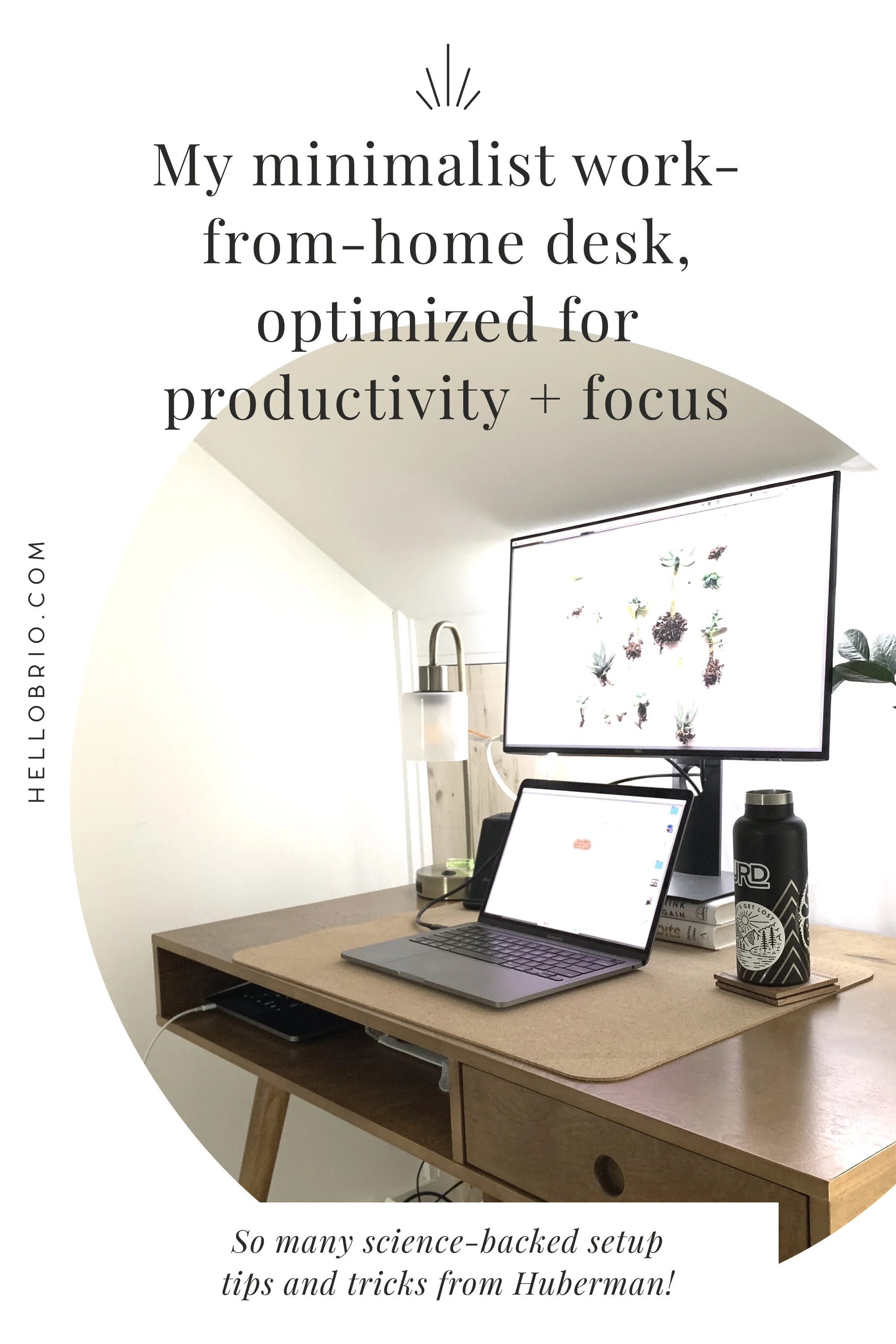
Clearing your desk
Keeping only what you need
Reducing noise or background distractions
The calmer your environment, the easier it is to focus.
Set a Clear Intention Before Starting
Before you begin any task, take a moment and ask:
“What exactly am I going to do right now?”
Be specific:
Not “study” → but “revise chapter 2”
Not “work” → but “write 500 words”
Clarity reduces distraction.
A Simple Focus Setup Table
Here’s a quick way to prepare your environment for better focus:
| Step | What to Do | Why It Helps |
|---|---|---|
| Phone placement | Keep it away | Reduces temptation |
| Notifications | Turn off | Prevents interruptions |
| Workspace | Clean and simple | Improves clarity |
| Task clarity | Define clearly | Reduces confusion |
| Time block | Set a duration | Builds consistency |
This setup alone can improve your focus significantly.
3. Practical Techniques to Focus Without Your Phone
Now that you’ve removed distractions, it’s time to build real focus.
Not forced focus—natural focus.
Technique 1: Start With Short Focus Sessions
Don’t try to focus for hours immediately.
Start small:
25–30 minutes of focused work
Then take a short break
This makes it manageable.
As you improve, you can increase the duration.
Technique 2: Use the “Single Task Rule”
Focus on one thing at a time.
No switching. No multitasking.
When you switch tasks:
Your brain loses efficiency
You feel more tired
Your work quality drops
Single-tasking keeps your mind stable.
Technique 3: Accept Initial Discomfort
When you start focusing without your phone, it might feel:
Boring
Slow
Uncomfortable
That’s normal.
Your brain is adjusting from high stimulation to a calmer pace.
Give it a little time.
Technique 4: Take Real Breaks (Not Phone Breaks)
Most people take breaks like this:
Work → Check phone → Back to work
That’s not a real break.
Instead:
Stand up
Walk around
Stretch
Look outside
This refreshes your mind instead of distracting it further.
Technique 5: Train Yourself to Ignore the Urge
You will feel the urge to check your phone.
That’s normal.
When it happens:
Don’t act immediately
Wait for a few seconds
Let the urge pass
Over time, these urges become weaker.
Technique 6: Build Momentum, Not Perfection
You don’t need perfect focus.
You just need:
A few good sessions
Consistent effort
Small improvements
Focus grows gradually.
Keep It Real
You’re not trying to become someone who never gets distracted.
You’re just learning to:
Reduce interruptions
Stay present longer
Work with clarity
That’s enough.
👉 Say “next” and I’ll continue with deeper strategies, long-term habits, and advanced focus techniques (sections 4–8).
4. Build a Daily Routine That Supports Deep Focus (Without Your Phone)
At some point, focus stops being about effort and starts becoming about structure.
If your day is random, your attention will be random too. But when you create a simple routine, your brain starts cooperating instead of resisting.
Start Your Day Without Your Phone
This one habit can change everything.
If your first action in the morning is checking your phone, your mind immediately gets pulled into:
Messages
Updates
Other people’s priorities
Instead, try this:
Wake up and avoid your phone for at least 20–30 minutes
Sit quietly, stretch, or just breathe
Think about what you want to do today
This sets a calm, focused tone for the rest of your day.
Create a “Deep Work Window”
Pick a specific time in your day where your only goal is to focus.
Start small:
30 minutes
Then increase to 1–2 hours
During this time:
Keep your phone away
Focus on one important task
Avoid all distractions
This becomes your most productive part of the day.
Plan Your Tasks in Advance
A distracted mind often comes from not knowing what to do next.
Before starting your work, decide:
What task you’ll do
How long you’ll do it
What your goal is
When your direction is clear, your brain doesn’t wander as much.
End Your Day With a Slow Wind-Down
If you spend your evenings scrolling, your mind stays active.
That affects both your focus and your sleep.
Instead:
Reduce screen use before bed
Reflect on your day
Do something calm
A relaxed evening leads to a clearer next day.
5. Strengthen Your Focus Like a Skill (Because It Is One)
Focus isn’t something you either have or don’t have.
It’s a skill—and like any skill, it improves with practice.
Train Your Attention Gradually
Think of your focus like a muscle.
You don’t go from zero to perfect instantly.
Start with:
Short sessions
Minimal distractions
Simple tasks
Then slowly increase difficulty.
Over time, your ability to focus improves naturally.
Learn to Sit With Discomfort
This is the part most people avoid.
When you’re focusing, you’ll feel:
The urge to check your phone
The need to switch tasks
A slight restlessness
Instead of escaping it, stay with it.
That’s where real focus builds.
Reduce Mental Clutter
A busy mind struggles to focus.
If you have too many thoughts:
Write them down
Make a simple list
Clear what’s in your head
This creates mental space for focus.
Use “Completion Energy”
Finishing tasks gives your brain a sense of progress.
So:
Start with smaller tasks
Complete them fully
Move to bigger ones
This builds momentum and makes focusing easier.
Protect Your Energy
Low energy = low focus.
If you’re tired:
You’ll reach for your phone more
You’ll avoid effort
You’ll lose concentration quickly
So take care of basics:
Sleep well
Take breaks
Stay hydrated
Focus becomes easier when your energy is stable.
6. How to Stay Consistent Without Falling Back Into Distraction
Focusing for a day is easy. Staying consistent is the real challenge.
But consistency doesn’t come from strict rules—it comes from simple systems.
Don’t Aim for Perfect Focus
You don’t need to focus perfectly all the time.
Some days will be better than others.
That’s normal.
The goal is:
👉 To improve gradually, not instantly
Create Simple Non-Negotiables
Pick 2–3 habits you follow daily:
No phone during focus time
No phone in the morning
No phone before sleep
Keep it simple and realistic.
Reset Quickly When You Slip
You will have moments where:
You get distracted
You check your phone
You lose focus
Don’t overthink it.
Just:
Pause
Put your phone away
Continue your work
No guilt. Just reset.
Notice What Improves
As you reduce phone distractions, you’ll notice:
Better concentration
More time
Less stress
Higher quality work
Pay attention to these changes—they keep you motivated.
7. The Bigger Shift: Living With Clarity Instead of Constant Distraction
At some point, focusing without your phone stops feeling like effort.
It becomes natural.
You Stop Needing Constant Stimulation
You become comfortable with:
Silence
Slow moments
Deep thinking
And that’s where clarity comes from.
You Become More Present
Without constant distractions:
You engage more deeply
You listen better
You think more clearly
Your attention stays where it matters.
You Use Your Phone Intentionally
Instead of reacting, you choose:
When to use it
Why you’re using it
How long you stay
That’s real control.
8. Final Thoughts: Focus Is Built, Not Forced
Focusing better without your phone isn’t about removing distractions completely.
It’s about:
Reducing unnecessary interruptions
Training your attention
Creating simple habits
Start small:
Keep your phone away during work
Focus for short sessions
Build consistency
Over time, these small changes create something powerful:
👉 A calm, focused mind
👉 Better productivity
👉 More control over your time
And the best part?
You won’t feel like you’re forcing focus anymore.
It will just… happen naturally.

Please don't spam here, all comments are reviewed by the administrator.