

How to Reduce Screen Time on Phone (Proven Tips)


1. Why It’s So Hard to Reduce Screen Time (Even When You Want To)
If you’ve ever told yourself, “I’ll use my phone less from today,” and then ended up scrolling the same night… you’re not alone.
It’s not just about discipline. There’s a reason cutting down screen time feels harder than it should.
Your Phone Is Designed to Keep You Hooked
Most apps aren’t neutral—they’re built to hold your attention.
Think about it:
Endless scrolling feeds
Notifications that pull you back
Short videos that never seem to end
All of this is designed to make you stay longer than you planned.
So when you try to reduce usage, you’re going against something that’s intentionally addictive.
It’s Not Always About Entertainment
A lot of screen time isn’t even fun.
Sometimes you pick up your phone because:
You’re bored
You’re avoiding something
You feel tired or distracted
It’s just a habit
You open one app… then another… and suddenly 30 minutes are gone.
Not because you wanted to—but because it’s automatic.
The Habit Loop Behind Screen Time
Your phone usage usually follows a simple pattern:
Trigger → You feel bored, stressed, or idle
Action → You open your phone
Reward → You get quick distraction or stimulation
Repeat this enough times, and it becomes a default behavior.
Breaking it isn’t about forcing yourself—it’s about changing the loop.
Why “Just Use It Less” Doesn’t Work
Most people try to reduce screen time by setting strict rules:
No phone at all
Delete all apps
Limit usage suddenly
That usually leads to frustration.
Because instead of solving the problem, it creates resistance.
What actually works is:
Gradual change
Better awareness
Smarter habits
2. Start With Awareness: The Real First Step
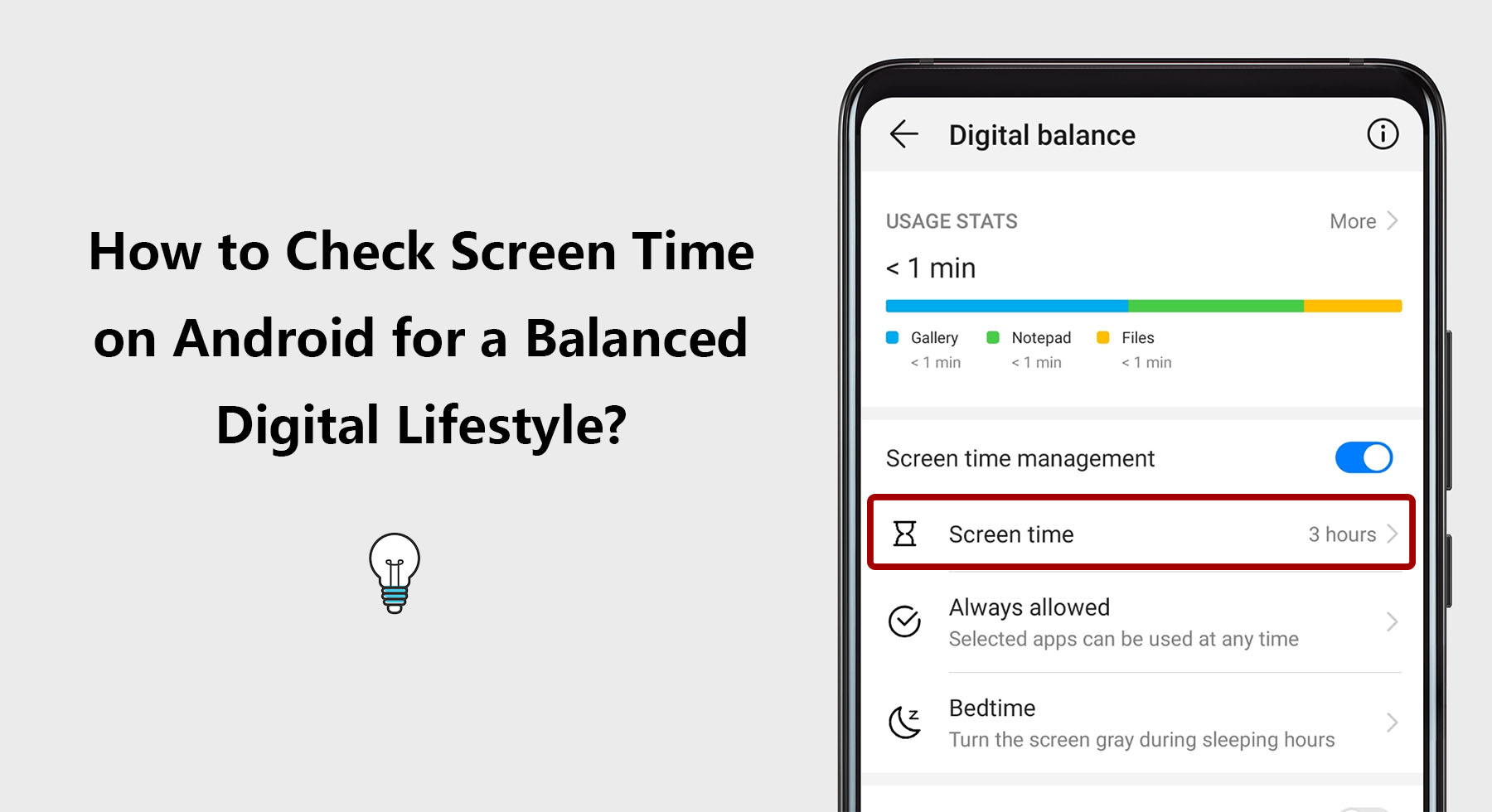
Before you reduce anything, you need to understand your current usage.
This step is simple—but powerful.
Check Your Screen Time Honestly
Look at your daily usage:
Total hours
Most used apps
Peak usage times
Don’t judge it—just observe.
You might notice patterns like:
High usage at night
Frequent short checks during the day
One or two apps taking most of your time
That awareness alone can reduce unnecessary usage.
Identify Your “High-Risk Moments”
These are the times you’re most likely to use your phone:
Right after waking up
During meals
Before sleeping
While waiting or resting
Once you identify these moments, you can start changing them.
Track Without Pressure
For 1–2 days, don’t try to reduce your usage.
Just:
Notice how often you unlock your phone
Pay attention to why you’re using it
Observe how long you stay
This builds awareness—and awareness changes behavior naturally.
A Simple Screen Time Breakdown Table
Here’s an example of how your daily usage might look:
| Time of Day | Typical Usage | What’s Happening |
|---|---|---|
| Morning | Checking messages, social media | Habit + curiosity |
| Midday | Short scrolling breaks | Distraction from work |
| Afternoon | Random app switching | Low focus / boredom |
| Evening | Heavy social media or videos | Relaxation + habit |
| Night | Long scrolling before sleep | No control / routine |
Seeing it like this makes things clearer.
You’re not using your phone randomly—there’s a pattern.
3. Proven Tips to Reduce Screen Time Without Feeling Forced
Now comes the part that actually creates change.
These aren’t extreme rules—they’re practical tips that work in real life.
Tip 1: Start With Small Time Limits
Instead of cutting everything, reduce gradually.
For example:
If you use your phone for 6 hours, aim for 5 hours first
Then slowly reduce further
This feels achievable and doesn’t create resistance.
Tip 2: Create No-Phone Zones
Certain places don’t need your phone.
Start with:
Dining table
Bed
Study or work area
This automatically reduces usage without thinking about time.
Tip 3: Delay the First Use of the Day
Avoid your phone for the first 20–30 minutes after waking up.
Instead:
Stretch
Drink water
Sit quietly
This simple habit reduces overall screen time significantly.
Tip 4: Replace, Don’t Remove
If you remove your phone, your brain looks for something else.
So replace the habit.
Examples:
Instead of scrolling → read something light
Instead of videos → listen to music
Instead of checking apps → write or plan
You’re not removing comfort—you’re changing the source.
Tip 5: Turn Off Unnecessary Notifications
Notifications are one of the biggest triggers.
Disable:
Social media alerts
Shopping app notifications
Random updates
Keep only what’s important.
You’ll feel the difference almost immediately.
Tip 6: Keep Your Phone Out of Reach
Distance matters more than willpower.
Try:
Keeping your phone in another room
Putting it face down
Not carrying it everywhere
When it’s not in front of you, you think about it less.
Tip 7: Use the “Pause Before Unlock” Rule
Before opening your phone, ask:
“Why am I using this right now?”
If there’s no clear reason, don’t open it.
This simple pause breaks automatic behavior.
The Goal Isn’t Perfection
You don’t need to eliminate screen time completely.
You just need to:
Reduce unnecessary usage
Use your phone with intention
Feel in control of your time
That’s what actually matters.
👉 Say “next” and I’ll continue with deeper strategies, habit-building techniques, and long-term control methods (sections 4–8).
4. Build Habits That Naturally Reduce Screen Time
At some point, you’ll realize something important—reducing screen time isn’t about fighting your phone every day. It’s about building habits that make you forget about it.
That’s where things start getting easier.
Start With a Simple Morning Habit
How you start your day matters more than you think.
If your first action is checking your phone, your brain immediately enters “reactive mode.” You’re responding to messages, updates, and notifications before you’ve even had a moment to think for yourself.
Try this instead:
Keep your phone away from your bed
Don’t check it for the first 20–30 minutes
Do something slow—stretch, sit quietly, drink water
It may feel strange at first, but within a few days, mornings start feeling calmer and more in your control.
Create a Wind-Down Routine at Night
Nighttime is where most screen time increases without notice.
You lie down “just for a few minutes”… and suddenly it’s been an hour.
Instead of trying to stop suddenly, replace the habit:
Dim the lights
Keep your phone away from your pillow
Read something light or just relax
Even reducing 30–40 minutes of night scrolling can improve both your sleep and your next day.
Use Time Blocks Instead of Restrictions
Instead of saying “I won’t use my phone,” define when you can use it.
For example:
10–15 minutes after lunch
20 minutes in the evening
Quick checks only when needed
This removes the feeling of restriction. You’re not banning usage—you’re controlling it.
Build a Daily Focus Habit
Choose one time in your day where you stay completely distraction-free.
Start small:
30 minutes without your phone
Then increase gradually
During this time:
Keep your phone away
Focus on one task only
This not only reduces screen time but also improves your ability to concentrate.
5. Smart Tricks That Quietly Cut Your Screen Time
Sometimes, the smallest changes make the biggest difference.
These tricks don’t require effort—they just make your phone less tempting.
Make Your Phone Less Attractive
Your phone is designed to grab your attention. But you can reverse that.
Try this:
Turn on grayscale mode (removes colors)
Remove social apps from your home screen
Keep only essential apps visible
When your screen looks less exciting, your brain feels less drawn to it.
Reduce App Accessibility
Make it slightly harder to open distracting apps.
For example:
Log out after each use
Move apps into folders
Use app timers
Even a small delay can stop you from opening apps out of habit.
Keep Your Hands Occupied
A lot of scrolling happens simply because your hands are free.
So give them something else:
Hold a book
Write in a notebook
Do light tasks around you
This sounds simple—but it works more than you’d expect.
Use Airplane Mode Strategically
You don’t need to stay connected all the time.
Try using airplane mode:
During focus work
While resting
Before sleep
It removes distractions completely for a while, giving your mind a break.
Replace “Idle Moments”
The biggest trap is small, empty moments:
Waiting for something
Taking a break
Sitting alone
These moments automatically turn into screen time.
Instead:
Look around
Think
Take a breath
Do nothing for a minute
It may feel unusual—but that’s exactly why it works.
6. How to Stay Consistent Without Going Back to Old Habits
Reducing screen time for a day is easy. Maintaining it is where most people struggle.
But consistency doesn’t come from strict rules—it comes from simple systems.
Don’t Aim for Zero Screen Time
Trying to completely eliminate phone use often leads to failure.
Instead:
Accept that you will use your phone
Focus on how you use it
The goal is control—not elimination.
Keep a Few Non-Negotiable Rules
Pick 2–3 rules you can follow daily:
No phone during meals
No phone before sleep
No phone during focused work
Keep it simple. Don’t overload yourself.
Reset When You Slip (Without Overthinking)
There will be days when you:
Scroll more than usual
Lose track of time
Go back to old habits
That’s normal.
The key is to reset quickly:
Take a short break
Put your phone away
Do something offline
No guilt. Just continue.
Notice the Benefits (This Keeps You Going)
As you reduce screen time, you’ll start noticing:
More free time
Better focus
Less stress
Improved sleep
Pay attention to these changes.
Because once you feel them, you won’t want to go back.
7. The Lifestyle Shift: Living With Your Phone, Not Inside It
At some point, reducing screen time stops feeling like effort.
It becomes part of how you live.
Use Your Phone With Intention
Before opening your phone, know your purpose:
Check a message
Look up something
Do a quick task
Once done, close it.
No drifting.
Enjoy Offline Moments Again
You don’t need to fill every second with content.
Try:
Sitting quietly
Walking without your phone
Talking without distractions
These moments may feel slow—but they’re more real.
Keep Your Digital Space Clean
Your phone environment matters.
Regularly:
Remove apps you don’t use
Unfollow unnecessary content
Keep things minimal
Less clutter = less temptation.
8. Final Thoughts: Take Back Your Time Without Overcomplicating It
Reducing screen time doesn’t require extreme changes.
You don’t need:
Perfect discipline
Complete detox
Strict rules
You just need awareness and a few small habits.
Start with:
Delaying your morning phone use
Creating no-phone zones
Replacing scrolling with something simple
Over time, these small steps build something bigger:
👉 Control over your attention
👉 More time for what actually matters
👉 A calmer, clearer mind
And the best part?
You won’t feel like you’re giving something up.
You’ll feel like you’re getting your time back.

Please don't spam here, all comments are reviewed by the administrator.