20 Anti-Inflammatory Ingredients for Your Skincare Routine: The Complete Science-Backed Guide
Introduction: Why Inflammation Is the Root of Almost Every Skin Problem
If you have ever struggled with persistent redness, unpredictable breakouts, rough uneven texture, premature fine lines, dark spots that refuse to fade, or skin that reacts to seemingly everything — there is a single underlying factor connecting all of these concerns: chronic skin inflammation.
Inflammation is not inherently a bad thing. In its acute, short-term form, inflammation is one of the body's most sophisticated protective mechanisms — it rushes immune cells to the site of injury or infection, isolates the threat, and initiates tissue repair. Without acute inflammation, cuts would not heal, infections would spread unchecked, and the skin would have no defense against the environmental challenges it faces every day.
The problem is chronic, low-grade inflammation — a persistent state of immune activation in the skin that never fully resolves, driven by ongoing triggers like UV radiation, pollution, stress, hormonal fluctuations, barrier disruption, harsh skincare ingredients, and dietary factors. This chronic inflammatory state is the biological foundation of:
Acne: Inflammation around C. acnes-colonized follicles produces the papules, pustules, and cysts of inflammatory acne
Rosacea: A condition characterized by chronic vascular and neural inflammation producing persistent redness and flushing
Eczema (atopic dermatitis): Driven by Th2-pathway immune dysregulation and barrier dysfunction that creates a self-perpetuating inflammatory cycle
Hyperpigmentation: Inflammatory signals activate melanocytes, producing the post-inflammatory dark spots left by acne, eczema, and any skin trauma
Premature aging: Inflammatory mediators activate matrix metalloproteinases (MMPs) that break down collagen and elastin — a process researchers call "inflammaging" (inflammation-driven aging)
Sensitive and reactive skin: A chronically inflamed skin barrier is thinner, more permeable, and more reactive to stimuli that normal skin tolerates without issue
Understanding inflammation as the common thread connecting these diverse skin concerns transforms how you approach skincare. Rather than chasing separate solutions for each symptom, you can build a routine around a core principle: reduce chronic inflammation, and the vast majority of skin concerns improve simultaneously.
This is precisely what anti-inflammatory skincare ingredients do — and this guide covers everything you need to know about the 20 most effective of them, including the science of how each one works, which skin concerns each addresses best, how to layer them effectively, and how to build a complete anti-inflammatory skincare routine for lasting skin health.
The Science of Skin Inflammation: What Is Actually Happening
The Inflammatory Pathway
When the skin detects a threat — whether UV radiation, a pathogen, a chemical irritant, physical trauma, or an allergen — it activates a cascade of immune responses:
Pattern recognition: Keratinocytes (the predominant skin cell type) and resident immune cells detect threat signals via pattern recognition receptors (PRRs), including Toll-like receptors (TLRs)
Cytokine release: Activated cells release pro-inflammatory cytokines — including interleukin-1 (IL-1), tumor necrosis factor-alpha (TNF-α), IL-6, and IL-8 — that amplify the inflammatory signal and recruit additional immune cells
Immune cell recruitment: Neutrophils, macrophages, mast cells, and T-lymphocytes migrate to the affected area, producing additional inflammatory mediators
Arachidonic acid pathway: Membrane phospholipids are converted to arachidonic acid, which is metabolized by cyclooxygenase (COX) and lipoxygenase (LOX) enzymes into prostaglandins and leukotrienes — the mediators responsible for the classic signs of inflammation: heat, redness, swelling, and pain
Reactive oxygen species (ROS) generation: The inflammatory response generates free radicals that cause oxidative damage to collagen, lipids, and DNA in skin cells
Resolution or chronicity: Acute inflammation resolves when the threat is eliminated; chronic inflammation persists when triggers are ongoing, producing the sustained tissue damage associated with premature aging, hyperpigmentation, and chronic skin conditions
The Skin Barrier and Inflammation: A Two-Way Relationship
The relationship between skin barrier integrity and inflammation is bidirectional and self-perpetuating:
Barrier disruption triggers inflammation: When the stratum corneum is compromised — by harsh cleansers, alcohol-based products, over-exfoliation, dry environments, or genetic barrier defects — allergens, bacteria, and irritants penetrate more easily, triggering immune responses
Inflammation disrupts the barrier: Inflammatory cytokines (particularly IL-4 and IL-13 in eczema) directly suppress the expression of filaggrin and ceramide synthesis enzymes — the structural proteins and lipids that maintain barrier integrity
This cycle explains why many skin conditions progressively worsen without intervention: inflammation damages the barrier, which allows more inflammation triggers to penetrate, which causes more inflammation. Breaking this cycle — by both reducing inflammation and actively repairing the barrier — is the cornerstone of effective anti-inflammatory skincare.
Understanding the Full Benefits of Anti-Inflammatory Skincare
Soothes Irritation and Calms Reactive Skin
The most immediately perceptible benefit of anti-inflammatory skincare ingredients is the relief they provide to irritated, reactive skin. Burning, itching, stinging, and general skin discomfort are all mediated by inflammatory signals — particularly prostaglandins and histamine — that sensitize the skin's nerve endings. Anti-inflammatory ingredients that inhibit these mediators restore comfort and reduce the hyperreactivity that makes sensitive skin so difficult to manage.
Consistently using anti-inflammatory ingredients helps "reset" the threshold at which skin reacts to stimuli. Over weeks and months of consistent use, previously reactive skin becomes progressively less reactive as the background level of chronic inflammation decreases.
Reduces Redness and Vascular Reactivity
Redness in the skin has two primary sources: dilated surface blood vessels (telangiectasia and flushing) and inflammatory mediators that increase vascular permeability. Anti-inflammatory ingredients address both mechanisms — reducing the inflammatory signals that trigger vascular dilation and strengthening the capillary walls that dilate with inflammation.
For conditions like rosacea, where chronic vascular inflammation is central to the pathology, consistent anti-inflammatory skincare is not supplementary — it is foundational.
Prevents Premature Aging (Inflammaging)
The concept of inflammaging — inflammation-driven premature aging — is now one of the most extensively researched areas in dermatology. The key mechanism: chronic inflammatory cytokines activate matrix metalloproteinases (MMPs), enzymes that degrade collagen and elastin in the dermis. Each inflammatory event contributes to cumulative collagen loss that accelerates the formation of fine lines, wrinkles, and skin laxity beyond what chronological aging alone would produce.
Additionally, the reactive oxygen species generated during inflammation directly oxidize collagen cross-links, making the collagen matrix less organized and resilient. This is why chronic UV exposure — which triggers repeated inflammatory responses — produces far more significant skin aging than the passage of time alone.
Anti-inflammatory ingredients interrupt this pathway, preserving collagen integrity and slowing visible aging.
Accelerates Skin Healing and Repair
Many anti-inflammatory ingredients are not merely passive inhibitors of inflammation — they actively support the skin's healing mechanisms by stimulating keratinocyte migration, fibroblast activity, and new collagen synthesis. Centella asiatica, panthenol, and allantoin are particularly notable for combining anti-inflammatory activity with direct wound-healing support.
Prevents and Fades Post-Inflammatory Hyperpigmentation
One of the most clinically significant benefits for people with medium to deep skin tones: by reducing the inflammatory signals that activate melanocytes, anti-inflammatory ingredients simultaneously prevent new dark spots from forming and support the fading of existing ones. This makes anti-inflammatory skincare particularly powerful for anyone dealing with post-acne marks, PIH from eczema, or uneven skin tone from any inflammatory cause.
The Top 20 Anti-Inflammatory Ingredients: Complete Scientific Profiles
1. Niacinamide (Vitamin B3)
What it is: A water-soluble vitamin B3 derivative that is one of the most versatile and extensively researched ingredients in modern skincare.
How it works: Niacinamide inhibits the release of inflammatory cytokines (particularly IL-8 and TNF-α) from keratinocytes, reducing the immune activation that drives skin inflammation. It also strengthens the skin barrier by stimulating ceramide, fatty acid, and filaggrin production — directly addressing the barrier disruption that perpetuates the inflammation-barrier damage cycle. Additionally, it inhibits the transfer of melanosomes from melanocytes to keratinocytes, reducing the hyperpigmentation that inflammation causes.
Additional benefits: Regulates sebum production (reducing oil and acne), minimizes visible pore size, improves uneven skin tone, and works synergistically with almost every other skincare active.
Best for: Virtually all skin types and concerns; particularly valuable for oily/acne-prone skin, rosacea, post-inflammatory hyperpigmentation, and sensitive skin.
Optimal concentration: 4–5% for most benefits; up to 10% for sebum regulation.
2. Turmeric (Curcumin)
What it is: The active polyphenol compound extracted from the Curcuma longa plant root, responsible for turmeric's characteristic golden color.
How it works: Curcumin is a potent inhibitor of NF-κB — the "master switch" transcription factor that controls the expression of dozens of pro-inflammatory genes, including those coding for COX-2, IL-1, IL-6, and TNF-α. By blocking NF-κB activation, curcumin provides broad-spectrum anti-inflammatory protection that addresses multiple inflammatory pathways simultaneously. It also inhibits tyrosinase activity, providing brightening benefits alongside inflammation reduction.
Formulation challenge: Raw curcumin has poor skin penetration due to its large molecular size and low water solubility. Effectively formulated curcumin products use nano-emulsion technology, liposomal encapsulation, or tetrahydrocurcumin (a colorless, more stable derivative) to enhance bioavailability.
Best for: Inflammatory acne, hyperpigmentation, dull/uneven skin tone, and general anti-aging.
3. Green Tea Extract (EGCG)
What it is: Standardized extract from Camellia sinensis leaves, rich in polyphenolic catechins — particularly epigallocatechin gallate (EGCG), the most biologically active.
How it works: EGCG is one of the most potent antioxidants found in nature, scavenging free radicals with extraordinary efficiency. Its anti-inflammatory activity occurs through multiple pathways: inhibition of COX-2 and LOX enzymes, suppression of NF-κB, reduction of inflammatory cytokine release, and inhibition of matrix metalloproteinases that degrade collagen. It also has documented UV-protective properties — not as a substitute for SPF, but as a meaningful complement that reduces the inflammatory and oxidative consequences of UV exposure that penetrates SPF protection.
Best for: UV-damaged skin, oily/acne-prone skin (also has antibacterial activity against C. acnes), rosacea, and environmental aging prevention.
4. Licorice Root Extract (Glycyrrhiza glabra)
What it is: Extract from the licorice plant root containing multiple bioactive compounds, including glabridin, glycyrrhizin, and licochalcone A.
How it works: Licorice root has a multimodal anti-inflammatory and brightening mechanism:
Glabridin inhibits tyrosinase (the enzyme that synthesizes melanin) and has potent anti-inflammatory activity
Glycyrrhizin inhibits COX and phospholipase A2, reducing prostaglandin synthesis
Licochalcone A has documented anti-inflammatory, antioxidant, and antibacterial properties
The combination makes licorice root extract particularly valuable for conditions where inflammation and hyperpigmentation coexist — post-inflammatory dark spots, melasma exacerbated by inflammation, and rosacea-associated redness.
Best for: Hyperpigmentation, melasma, redness, and inflammatory skin conditions.
5. Aloe Vera (Aloe barbadensis)
What it is: The gel extracted from Aloe barbadensis leaves, containing a complex mixture of polysaccharides, glycoproteins, vitamins, minerals, and enzymes.
How it works: Aloe vera's primary anti-inflammatory compound is acemannan — a polysaccharide that modulates macrophage activity and inhibits prostaglandin synthesis. It also contains aloesin, which has both anti-inflammatory and melanin-inhibiting properties. The glycoproteins in aloe vera (particularly alprogen) inhibit histamine release from mast cells, reducing the allergic and irritant inflammatory responses that trigger skin reactions.
Additionally, aloe vera creates a cooling, protective film on the skin surface that reduces moisture evaporation — particularly beneficial for inflamed, compromised, or sun-damaged skin where barrier function is impaired.
Best for: Sunburned, irritated, or reactive skin; post-procedure recovery; sensitive skin of all types; redness reduction.
6. Chamomile Extract (Matricaria chamomilla)
What it is: Extract from the German chamomile flower, containing the bioactive compound bisabolol (alpha-bisabolol) and the flavonoid apigenin.
How it works:
Bisabolol inhibits the release of inflammatory cytokines, reduces the activity of enzymes involved in inflammation, and has documented wound-healing properties — it accelerates the re-epithelialization process that repairs damaged skin
Apigenin blocks COX-2 enzyme activity and has antioxidant properties that reduce oxidative inflammation
Together, these compounds provide rapid soothing of contact irritation, reduction of post-inflammatory redness, and support for the skin's barrier repair mechanisms
Best for: Post-procedure skin, contact dermatitis, reactive and sensitive skin, and rosacea-associated redness.
7. Hyaluronic Acid (Sodium Hyaluronate)
What it is: A naturally occurring glycosaminoglycan found in the skin's extracellular matrix, capable of holding up to 1,000 times its weight in water.
How it works: Hyaluronic acid has both direct anti-inflammatory properties and indirect anti-inflammatory benefits through barrier support. Endogenous (natural) HA in the skin acts as a signal for immune cells — intact, high-molecular-weight HA signals a healthy tissue state that suppresses unnecessary immune activation. When HA is fragmented by enzymes (including those activated by inflammation), the fragments actually promote inflammatory signaling — which is why maintaining HA integrity through topical supplementation has a genuinely anti-inflammatory effect.
Topical hyaluronic acid at multiple molecular weights delivers hydration to different skin depths: high molecular weight HA forms a protective film at the surface, medium molecular weight penetrates to the upper epidermis, and low molecular weight (sodium hyaluronate) reaches deeper epidermal layers.
Best for: All skin types requiring hydration; particularly valuable for dehydrated, dry, or inflamed skin where depleted hydration accelerates inflammatory responses.
8. Centella Asiatica (Cica / Tiger Grass)
What it is: An herbaceous plant native to Asia with an extraordinary history of medicinal use for wound healing and skin repair, containing asiaticoside, madecassoside, asiatic acid, and madecassic acid as key bioactives.
How it works: The triterpenoids in Centella asiatica operate through multiple anti-inflammatory mechanisms:
Inhibit COX-2 and lipoxygenase enzyme pathways
Suppress NF-κB activation and reduce pro-inflammatory cytokine expression
Stimulate collagen synthesis by activating TGF-β signaling in fibroblasts — uniquely combining anti-inflammatory and pro-healing properties
Strengthen the skin barrier through enhanced ceramide production
Reduce transepidermal water loss by supporting tight junction protein expression
Clinical studies confirm that centella asiatica extract significantly improves eczema symptoms, reduces post-procedure inflammation, and accelerates wound healing with consistent use.
Best for: Eczema, post-procedure recovery, sensitive/reactive skin, rosacea, and any condition requiring simultaneous inflammation reduction and barrier repair.
9. Resveratrol
What it is: A stilbenoid polyphenol produced by plants in response to stress, primarily sourced from grape skins, Japanese knotweed, and berries.
How it works: Resveratrol is a broad-spectrum anti-inflammatory and anti-aging compound with several documented mechanisms:
Activates SIRT1 (sirtuin 1), a protein deacetylase that suppresses NF-κB activity and reduces inflammation
Directly inhibits COX-1 and COX-2 enzymes, reducing prostaglandin synthesis
Potent free radical scavenger that reduces the oxidative stress that drives both inflammation and collagen degradation
Inhibits matrix metalloproteinase expression, protecting collagen integrity
Has demonstrated anti-melanogenic properties at higher concentrations
Formulation note: Resveratrol is unstable and degrades rapidly when exposed to light and air. Look for products with encapsulated resveratrol or dark, airless packaging. It works particularly well in combination with other antioxidants (vitamin C, vitamin E, ferulic acid).
Best for: Environmental aging prevention, UV-damaged skin, hyperpigmentation, and anti-aging-focused anti-inflammatory routines.
10. Calendula (Calendula officinalis)
What it is: Extract from the calendula (pot marigold) flower, containing flavonoids (quercetin, isorhamnetin), triterpenoids (oleanolic acid), carotenoids (lutein, beta-carotene), and polysaccharides.
How it works: Calendula's anti-inflammatory activity is primarily mediated by its flavonoid content, which inhibits COX and LOX enzyme pathways. Its triterpenoids accelerate wound healing by stimulating keratinocyte migration and fibroblast proliferation. The polysaccharides contribute to a soothing, film-forming effect on the skin surface that reduces trans-epidermal water loss and protects inflamed skin from further irritation.
Calendula has particularly strong evidence for its ability to prevent and reduce radiation dermatitis — the skin inflammation caused by cancer radiation therapy — making it one of the most clinically validated botanical anti-inflammatory ingredients available.
Best for: Sensitive and reactive skin, radiation-related skin inflammation, wound healing, diaper rash, and barrier repair.
11. Ginger Extract (Zingiber officinale)
What it is: Extract from ginger root containing gingerols, shogaols, and zingerone as primary bioactive compounds.
How it works: Gingerols and shogaols inhibit both COX-2 and 5-lipoxygenase enzyme activity, reducing the synthesis of both prostaglandins and leukotrienes — the two primary classes of inflammatory mediators responsible for skin inflammation, redness, and swelling. Ginger extract also inhibits the production of nitric oxide (NO), another inflammatory signaling molecule that contributes to vascular dilation and redness.
Its antioxidant properties (free radical scavenging) provide additional protection against oxidative inflammation from UV and pollution exposure.
Best for: Redness reduction, inflammatory hyperpigmentation, dull/uneven skin tone, and anti-aging formulations targeting oxidative damage.
12. Chia Seed Oil (Salvia hispanica)
What it is: A cold-pressed oil from chia seeds containing one of the highest concentrations of alpha-linolenic acid (ALA) — an omega-3 fatty acid — of any plant-derived ingredient (approximately 60% of total fatty acid content).
How it works: Omega-3 fatty acids are precursors to resolvins and protectins — the body's endogenous inflammation-resolution molecules. By increasing the availability of omega-3 fatty acids in skin cell membranes, chia seed oil shifts the arachidonic acid metabolism pathway toward less inflammatory, pro-resolving mediators.
Additionally, chia seed oil is rich in linoleic acid (omega-6), an essential fatty acid that is specifically required for ceramide synthesis in the skin — directly supporting barrier repair and reducing the barrier disruption that perpetuates inflammatory cycles.
Best for: Dry, compromised barrier skin; eczema and psoriasis; inflammatory acne (linoleic acid deficiency is documented in acne-prone skin); and combination of anti-inflammatory + barrier repair needs.
13. Vitamin E (Tocopherol)
What it is: A fat-soluble antioxidant vitamin present in four tocopherol and four tocotrienol forms, with alpha-tocopherol being the most biologically active in skin.
How it works: Vitamin E is the primary lipid-soluble antioxidant in the skin, embedded in cell membranes where it protects polyunsaturated fatty acids from lipid peroxidation — a chain reaction of free radical damage that destroys membrane integrity and triggers inflammatory responses. By neutralizing lipid peroxyl radicals, vitamin E prevents the initiation of this inflammatory cascade.
Vitamin E also works in a regenerative cycle with vitamin C: vitamin C regenerates oxidized vitamin E back to its active form, dramatically extending the antioxidant protection provided by both ingredients when used together.
In wound healing, vitamin E supports collagen cross-linking and has documented anti-inflammatory effects in compromised skin.
Best for: Post-procedure skin, UV-damaged skin, dry and barrier-compromised skin, and as a synergistic partner to vitamin C and other antioxidants.
14. Squalane
What it is: A saturated, stable form of squalene — a lipid naturally produced by the skin's sebaceous glands. Modern squalane is sustainably derived from sugarcane, olive oil, or shark liver (though plant-derived sources have made shark-derived squalane largely obsolete in premium formulations).
How it works: Squalane is unique among skincare oils in that it is identical to the skin's own natural lipid — meaning it is incorporated into the stratum corneum structure without disrupting it or triggering immune recognition. This makes it uniquely non-reactive and non-comedogenic.
Its anti-inflammatory action is primarily indirect: by replenishing the skin's natural lipid barrier, it reduces TEWL, restores barrier integrity, and eliminates the irritant penetration that triggers inflammatory responses. Studies also suggest squalane may directly inhibit inflammatory cytokine release from keratinocytes.
Best for: All skin types, including oily and acne-prone skin (non-comedogenic); dry and compromised barrier skin; post-procedure recovery; and as a hydrating base oil for facial blends.
15. Arnica (Arnica montana)
What it is: Extract from the arnica flower containing helenalin (a sesquiterpene lactone) and flavonoids as primary anti-inflammatory bioactives.
How it works: Helenalin is one of the most potent anti-inflammatory sesquiterpene lactones identified in plant extracts — it directly inhibits NF-κB by blocking its translocation to the cell nucleus. Arnica's flavonoids further contribute COX inhibition and antioxidant activity.
Arnica's particular strength is in reducing post-traumatic inflammation: the swelling, bruising, and pain that follows physical trauma to tissue — including post-procedure skin trauma (surgery, laser, injections). It is widely used in post-surgical recovery and is one of the few botanical ingredients with specific evidence for reducing bruising after injectable procedures.
Important note: Helenalin can cause contact allergic reactions in some individuals — patch test arnica-containing products before full facial use. Contraindicated on open wounds or broken skin.
Best for: Post-procedure bruising and swelling, inflammatory acne nodules, and reducing skin-level inflammation from physical trauma.
16. Cucumber Extract (Cucumis sativus)
What it is: Extract from cucumber fruit containing cucurbitacins, quercetin, vitamin C, caffeic acid, and ascorbic acid, along with approximately 95% water content.
How it works: Cucumber extract provides anti-inflammatory benefits through several pathways:
Caffeic acid and quercetin inhibit COX enzyme activity and scavenge free radicals
Cucurbitacins have documented anti-inflammatory activity at the cellular level
High water content and natural electrolytes provide immediate cooling and hydrating effects that reduce surface inflammation and TEWL
Ascorbic acid contributes antioxidant protection
The combination of mild anti-inflammatory activity with immediate hydrating and cooling sensory effects makes cucumber extract particularly valuable in formulations targeting reactive, heat-stressed, or sun-exposed skin.
Best for: Puffiness reduction (particularly periorbital), sun-exposed or heat-stressed skin, general redness reduction, and refreshing toners and mists.
17. Evening Primrose Oil (Oenothera biennis)
What it is: Cold-pressed oil from evening primrose seeds, containing an exceptionally high concentration (8–10%) of gamma-linolenic acid (GLA) — a rare omega-6 fatty acid with potent anti-inflammatory properties.
How it works: GLA is metabolized in the body to dihomo-gamma-linolenic acid (DGLA), a precursor to prostaglandin E1 (PGE1) — an anti-inflammatory prostaglandin that counteracts the inflammatory prostaglandin E2 (PGE2) that drives skin inflammation. This metabolic pathway gives GLA a genuinely anti-inflammatory character despite being an omega-6 fatty acid (most omega-6s are pro-inflammatory).
GLA is also an important structural component of ceramides in the skin barrier. Deficiency in GLA is associated with barrier dysfunction in atopic dermatitis — and clinical studies have shown that topical evening primrose oil supplementation improves eczema severity scores.
Best for: Eczema, psoriasis, dry and barrier-compromised skin, and any inflammatory condition where GLA deficiency may be a contributing factor.
18. Panthenol (Pro-Vitamin B5)
What it is: The provitamin of pantothenic acid (vitamin B5), a water-soluble compound that penetrates deeply into the skin and converts to pantothenic acid upon absorption.
How it works: Panthenol supports anti-inflammatory skin health through multiple mechanisms:
Barrier reinforcement: Stimulates keratinocyte proliferation and differentiation, accelerating the repair of compromised barrier — eliminating the inflammatory trigger of barrier disruption
Humectant hydration: Attracts and retains water in the stratum corneum, reducing the dehydration that exacerbates inflammation
Wound healing: Stimulates fibroblast activity and accelerates re-epithelialization — documented in multiple clinical studies on wound and burn healing
Direct anti-inflammatory: Reduces the expression of inflammatory cytokines in keratinocytes, providing independent anti-inflammatory activity beyond its barrier and hydration effects
Panthenol is among the best-tolerated skincare ingredients available — universally gentle, non-sensitizing, and compatible with all skin types and conditions.
Best for: Post-procedure recovery, eczema, dry and compromised barrier skin, sensitive skin, and as a universal soothing ingredient in any routine.
19. Allantoin
What it is: A naturally occurring compound derived from comfrey root (Symphytum officinale) — and also present in wheat germ, tobacco seed, and sugar beets — that is now primarily synthesized for cosmetic use to ensure consistency and purity.
How it works: Allantoin has three documented skin-beneficial mechanisms:
Keratolytic action: At concentrations of 0.1–2%, allantoin promotes controlled desquamation (shedding of surface skin cells), improving skin texture and removing the buildup of dead cells that contributes to comedone formation and dullness
Cell proliferation stimulation: Allantoin promotes the proliferation of healthy keratinocytes, accelerating wound healing and skin regeneration
Protective and soothing: Forms a mild protective film on the skin surface that reduces irritant contact and provides immediate relief from stinging and burning associated with compromised or inflamed skin
Allantoin is exceptionally non-irritating and is one of the only ingredients classified as a skin protectant by the FDA — specifically approved for use in wound and burn care formulations.
Best for: Sensitive and reactive skin, post-procedure recovery, eczema and psoriasis flare soothing, dry/rough skin texture improvement, and as a universal calming ingredient.
20. Oat Extract (Colloidal Oatmeal / Avena sativa)
What it is: Finely ground oat grain in colloidal suspension — one of the most extensively studied dermatological anti-inflammatory ingredients, with FDA recognition as a skin protectant at 0.3–0.5% in OTC products.
How it works: Oat extract's anti-inflammatory activity is primarily mediated by avenanthramides — unique polyphenolic alkaloids found exclusively in oats that:
Inhibit NF-κB activation at the cellular level, reducing pro-inflammatory cytokine production
Directly inhibit the release of histamine from mast cells — reducing immediate allergic and irritant reactions
Reduce transient receptor potential vanilloid 1 (TRPV1) activation — the pain receptor responsible for the burning and stinging sensations of inflamed skin
Colloidal oatmeal also contains beta-glucan, a polysaccharide that provides significant moisturizing and barrier-supporting benefits; avenacosides, saponins that have mild cleansing activity without the irritation of synthetic surfactants; and starches that contribute to the characteristic soothing, film-forming effect of oat-based formulas.
Multiple randomized controlled trials confirm that colloidal oatmeal significantly improves itch, scaling, and quality of life in eczema patients — among the strongest clinical evidence for any topical botanical anti-inflammatory ingredient.
Best for: Eczema and atopic dermatitis, contact dermatitis, reactive/allergic skin, any condition with pruritus (itching), and as a universal soothing ingredient for sensitive skin of all types.
Complete Anti-Inflammatory Ingredients Reference Table
| Ingredient | Primary Mechanism | Best Skin Concerns | Ideal Product Format | Skin Types | Evidence Level |
|---|---|---|---|---|---|
| Niacinamide | Cytokine inhibition, barrier support, melanin transfer block | Acne, rosacea, PIH, oiliness, uneven tone | Serum, toner, moisturizer | All skin types | ⭐⭐⭐⭐⭐ |
| Turmeric (Curcumin) | NF-κB inhibition, COX/LOX inhibition | Inflammatory acne, hyperpigmentation, dullness | Serum (nano-encapsulated), mask | Normal, oily, combination | ⭐⭐⭐⭐ |
| Green Tea Extract (EGCG) | Antioxidant, COX-2 inhibition, UV protection | Sun damage, acne, rosacea, environmental aging | Serum, toner, moisturizer | All skin types | ⭐⭐⭐⭐⭐ |
| Licorice Root Extract | Tyrosinase inhibition, COX inhibition, glabridin action | Hyperpigmentation, melasma, redness | Serum, brightening cream | All skin types | ⭐⭐⭐⭐ |
| Aloe Vera | Acemannan (prostaglandin inhibition), histamine block | Sunburn, irritation, redness, post-procedure | Gel, toner, soothing cream | All, especially sensitive | ⭐⭐⭐⭐⭐ |
| Chamomile (Bisabolol) | COX-2 inhibition, wound healing, cytokine reduction | Contact dermatitis, reactive skin, rosacea | Toner, serum, sensitive cream | Sensitive, reactive | ⭐⭐⭐⭐ |
| Hyaluronic Acid | HA integrity preservation, barrier hydration | Dehydration, all inflammatory conditions | Serum, toner, moisturizer | All skin types | ⭐⭐⭐⭐⭐ |
| Centella Asiatica | COX/LOX inhibition, collagen stimulation, barrier repair | Eczema, post-procedure, sensitive, rosacea | Serum, cream, essence | All, especially sensitive | ⭐⭐⭐⭐⭐ |
| Resveratrol | SIRT1 activation, NF-κB suppression, MMP inhibition | UV aging, hyperpigmentation, oxidative damage | Serum (encapsulated), night cream | Normal, aging, damaged | ⭐⭐⭐⭐ |
| Calendula | COX/LOX inhibition, keratinocyte stimulation | Wound healing, radiation dermatitis, sensitive skin | Cream, ointment, balm | Sensitive, dry, compromised | ⭐⭐⭐⭐ |
| Ginger Extract | COX-2/5-LOX dual inhibition, nitric oxide reduction | Redness, uneven tone, inflammatory aging | Serum, treatment oil | Normal, oily, aging | ⭐⭐⭐⭐ |
| Chia Seed Oil | Omega-3 to resolvins/protectins, ceramide support | Eczema, dry/compromised barrier, inflammatory acne | Facial oil, cream, serum | Dry, sensitive, acne | ⭐⭐⭐⭐ |
| Vitamin E | Lipid peroxidation prevention, membrane protection | UV damage, dry/aging skin, barrier support | Serum, oil, moisturizer | Dry, normal, aging | ⭐⭐⭐⭐⭐ |
| Squalane | Barrier restoration, TEWL reduction, cytokine inhibition | All skin types, barrier repair, hydration | Facial oil, serum, moisturizer | All skin types | ⭐⭐⭐⭐⭐ |
| Arnica | NF-κB inhibition (helenalin), bruising reduction | Post-procedure bruising, traumatic inflammation | Post-procedure cream, gel | All (patch test first) | ⭐⭐⭐⭐ |
| Cucumber Extract | COX inhibition, antioxidant, cooling hydration | Puffiness, sun exposure, redness | Toner, eye cream, mist | All, especially oily/reactive | ⭐⭐⭐ |
| Evening Primrose Oil | GLA → PGE1 anti-inflammatory pathway, ceramide support | Eczema, psoriasis, dry/barrier-compromised skin | Facial oil, cream, serum | Dry, sensitive, eczema-prone | ⭐⭐⭐⭐ |
| Panthenol (B5) | Barrier repair, keratinocyte proliferation, cytokine reduction | Post-procedure, eczema, barrier damage, dehydration | Serum, cream, lotion | All skin types | ⭐⭐⭐⭐⭐ |
| Allantoin | Keratolytic, cell proliferation, skin protection | Sensitive skin, rough texture, wound healing, eczema | Moisturizer, cream, balm | All, especially sensitive | ⭐⭐⭐⭐ |
| Oat Extract (Colloidal) | Avenanthramides NF-κB inhibition, histamine block, TRPV1 reduction | Eczema, contact dermatitis, pruritus, reactive skin | Cream, bath treatment, lotion | All, especially eczema-prone | ⭐⭐⭐⭐⭐ |
How to Build a Complete Anti-Inflammatory Skincare Routine
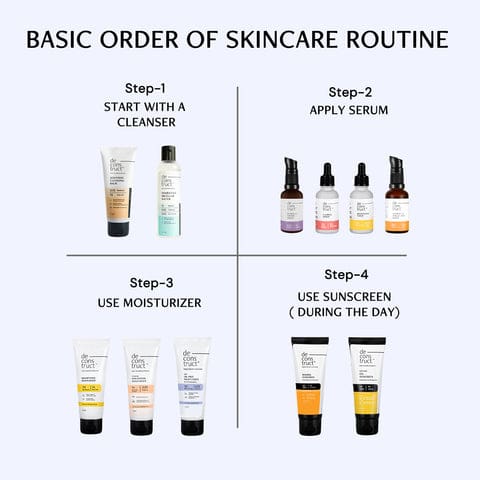
Morning Routine: Protection and Prevention
The morning routine's primary purpose is protecting the skin from the day's inflammatory triggers — UV radiation, pollution, oxidative stress, and environmental irritants.
Step 1 — Gentle Cleanse: Use a pH-balanced, fragrance-free cleanser that removes overnight sebum and residue without stripping the barrier. Avoid any foaming cleanser with SLS or denatured alcohol.
Step 2 — Hydrating Toner: Apply an alcohol-free toner containing aloe vera, chamomile extract, niacinamide, or cucumber extract. This restores skin pH, delivers immediate hydration, and deposits the first layer of anti-inflammatory actives.
Step 3 — Anti-Inflammatory Serum: This is the most active anti-inflammatory step. Choose based on your primary concern:
Oily/acne-prone: Niacinamide (5%) + green tea extract serum
Hyperpigmentation: Vitamin C (THD Ascorbate) + licorice root + tranexamic acid
Sensitive/reactive: Centella asiatica + panthenol serum
General anti-aging: Resveratrol + vitamin E + niacinamide
Step 4 — Lightweight Moisturizer: Choose a formula containing hyaluronic acid and squalane for hydration, with ceramides for barrier support. For oily skin: gel-cream texture. For dry/sensitive skin: lotion or cream texture.
Step 5 — Broad-Spectrum SPF 30–50: UV radiation is the single greatest daily driver of skin inflammation, collagen degradation, and hyperpigmentation. SPF is the most impactful anti-inflammatory step in the entire morning routine. Choose mineral (zinc oxide/titanium dioxide) formulas for sensitive skin types.
Evening Routine: Repair and Renewal
The evening routine's purpose is repairing the day's accumulated inflammatory damage and supporting the skin's natural overnight repair processes.
Step 1 — Double Cleanse: Oil cleanser removes SPF and makeup; water-based cleanser removes residual impurities. Thorough evening cleansing is essential — pollution particles and SPF residue left on the skin overnight contribute to oxidative inflammation.
Step 2 — Exfoliation (2–3 nights per week): Low-concentration AHA (lactic acid for sensitive skin, glycolic acid for normal/oily) or BHA (salicylic acid for acne-prone) accelerates removal of dead cells that contribute to dullness and congestion. This step should not be done every night — 2–3 nights per week is optimal for most skin types.
Step 3 — Active Treatment Serum: Evening is when the most powerful anti-inflammatory and remodeling actives are most effectively used:
Retinol or retinal: The most evidence-backed multi-benefit active for acne, PIH, texture, and anti-aging; start 2x/week and build
Centella asiatica + ceramide serum: For sensitive, barrier-damaged, or post-procedure skin requiring repair without active stimulation
Azelaic acid: Multi-benefit for acne, rosacea, and PIH simultaneously
Step 4 — Barrier-Sealing Moisturizer: Use a slightly richer ceramide-containing formula than your morning moisturizer to support the barrier repair that peaks between 11pm and 4am (the skin's natural repair window).
Optional Step 5 — Facial Oil: For dry or very compromised skin, a single drop of squalane, chia seed oil, or evening primrose oil applied as the final step seals moisture and provides overnight anti-inflammatory and barrier-repair support.
Special Considerations by Skin Condition
Eczema and Atopic Dermatitis
Priority ingredients: Colloidal oatmeal, centella asiatica, ceramides, panthenol, evening primrose oil, aloe vera, allantoin
Avoid: Fragrances, essential oils, high-concentration acids, alcohol-based products
Routine principle: Barrier repair first; reduce inflammatory triggers; use the fewest products necessary with the simplest, most tolerated formulations
Rosacea
Priority ingredients: Niacinamide, green tea extract, aloe vera, chamomile, centella asiatica, azelaic acid
Avoid: Denatured alcohol, menthol, high-concentration vitamin C (low pH), physical scrubs, excessive heat
Routine principle: Support vascular stability and reduce background inflammation; consistent SPF is essential
Acne-Prone and Oily Skin
Priority ingredients: Niacinamide, salicylic acid, green tea extract, zinc, azelaic acid, chia seed oil (non-comedogenic omega-3)
Avoid: Coconut oil, heavy occlusives, pore-clogging emollients, harsh alcohol toners
Routine principle: Regulate sebum, prevent follicular plugging, reduce C. acnes-driven inflammation, prevent and treat PIH
Aging and UV-Damaged Skin
Priority ingredients: Resveratrol, vitamin C (stable forms), vitamin E, green tea extract, niacinamide, centella asiatica, retinol
Avoid: Products that compromise the barrier or increase photosensitivity without paired SPF
Routine principle: Antioxidant protection in the morning, repair and collagen stimulation in the evening, and rigorous daily SPF
Common Mistakes That Undermine Anti-Inflammatory Skincare
1. Over-exfoliating: The single most common cause of chronic, iatrogenic (self-caused) skin inflammation. Exfoliation more than 3x per week — or using multiple exfoliating products simultaneously — strips the barrier faster than it can repair, creating a persistent inflammatory state.
2. Using too many actives simultaneously: Layering multiple potent actives (retinol + high-concentration vitamin C + exfoliating acid + benzoyl peroxide in the same routine) creates cumulative irritation that produces the inflammation you are trying to reduce. Introduce one new active at a time with 4-week observation periods.
3. Skipping SPF: Every unprotected UV exposure generates an inflammatory cascade. Anti-inflammatory serums applied without SPF are working against a daily inflammatory challenge that consistently outpaces their capacity to soothe.
4. Using products with hidden irritants: Fragrance, denatured alcohol, and certain essential oils in "natural" products are among the most common sources of chronic low-grade contact inflammation. Always check the full INCI ingredient list, not just the hero ingredient marketing.
5. Expecting immediate results: Anti-inflammatory ingredients work best cumulatively. A single application provides some immediate benefit, but the most significant improvements — barrier strength, reduced reactivity, improved skin tone, fewer breakouts — develop over 6–12 weeks of consistent daily use.
Conclusion: Calmer Skin Starts With Smarter Ingredients
Inflammation is not just one skin concern among many — it is the biological foundation beneath virtually every skin concern you can name. Addressing inflammation systematically, through a thoughtfully selected combination of the right anti-inflammatory ingredients for your specific skin type and concerns, creates a cascade of improvements that no single targeted treatment can match.
The 20 ingredients profiled in this guide represent the most effective, evidence-based tools available for reducing skin inflammation — from the universally applicable gentleness of colloidal oatmeal and panthenol, to the targeted power of centella asiatica and resveratrol, to the multi-benefit versatility of niacinamide and green tea extract.
Building a routine around these principles — consistent anti-inflammatory support, daily photoprotection, barrier-first thinking, and patience measured in weeks rather than days — is the most reliable path to skin that is genuinely calm, balanced, and radiant from the inside out.
This article is for educational and informational purposes only. For persistent or severe inflammatory skin conditions, consult a board-certified dermatologist.
Post a Comment
Please don't spam here, all comments are reviewed by the administrator.